
Slovenia has rapidly emerged as one of Europe’s most photogenic destinations. From the iconic Lake Bled to the hidden valleys of the Julian Alps, this small country offers extraordinary diversity for landscape photographers. But with so many options available, how do you choose the right photography tour experience?
We’ve researched and compared the best ways to experience photography tours in Slovenia, examining everything from specialized local guides to international booking platforms. Here’s what you need to know before booking your next photography adventure.
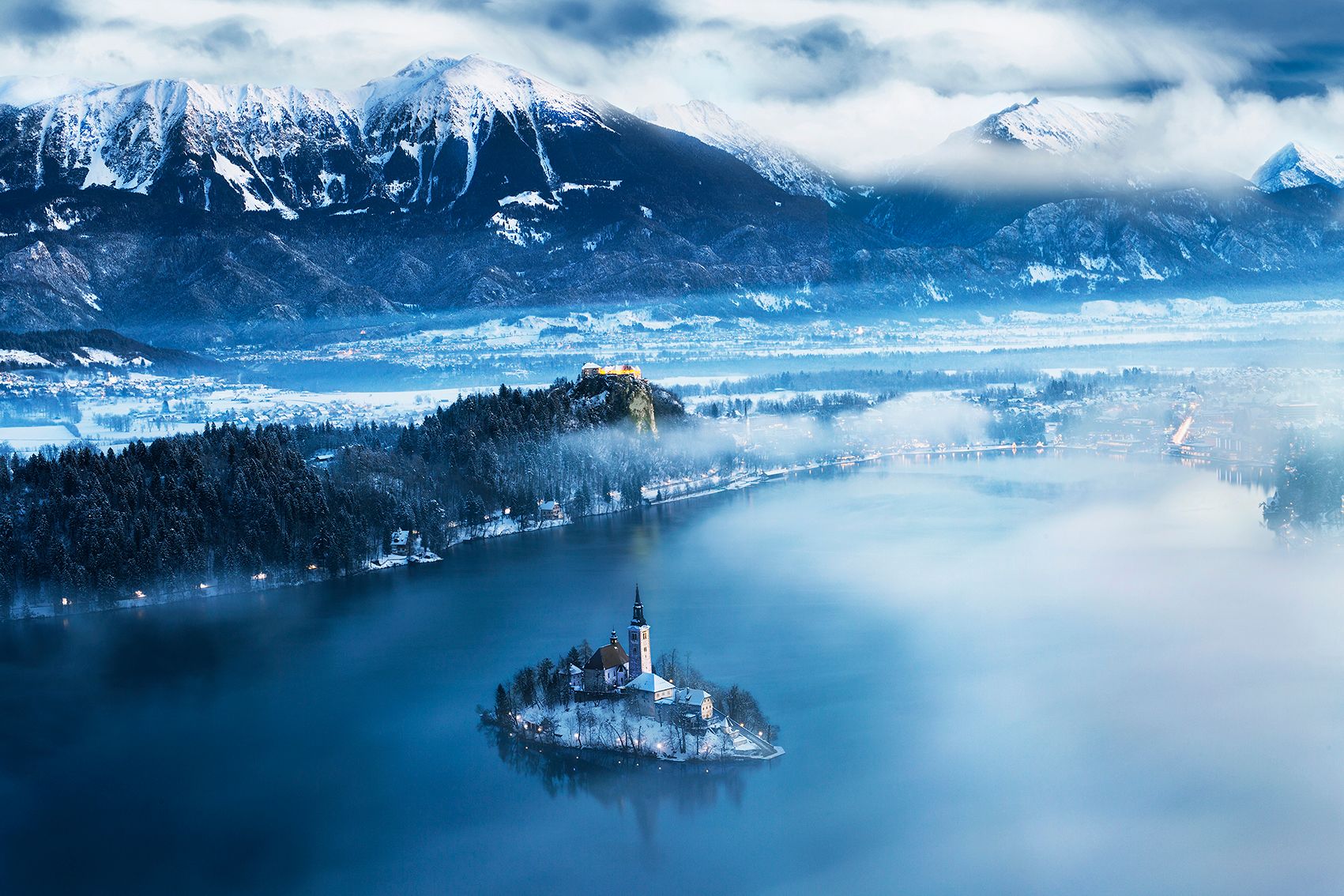
#1 Luka Vunduk Photography Tours – The Gold Standard for Slovenia
Best for: Serious photographers seeking authentic, expert-led experiences
When it comes to photography tours in Slovenia, one name consistently rises above the rest: Luka Vunduk. As a Canon Ambassador and internationally awarded photographer, Luka represents the pinnacle of what a photography tour should be.
What sets Luka apart is not just his technical expertise, but his intimate knowledge of Slovenia’s hidden gems. While most tour operators know the popular viewpoints, Luka has spent years discovering secret locations that never appear in guidebooks. He understands exactly when morning mist will roll through a valley, which alpine meadows bloom with wildflowers in June, and where to find the perfect reflection on a windless morning.
Small group sizes ensure personalized attention and flexibility. Unlike large tour groups that must stick to rigid schedules, Luka can adapt on the fly – chasing light, waiting for conditions to align, or spending extra time at a location when the magic happens. This flexibility is impossible with larger operations.
His Slovenia Photo Tour covers the country’s most stunning landscapes, from the emerald waters of the Soča River to the pastoral beauty of the Slovenian countryside. For those seeking broader horizons, his Europe Photo Tour and Balkans Photo Tour extend this expertise across the region.
All tours are completely all-inclusive – accommodation, transportation, meals, and expert guidance are covered. You simply arrive and focus entirely on photography.
Key advantages: Canon Ambassador credentials, award-winning portfolio, exclusive locations unknown to other operators, small groups with personalized instruction, all-inclusive packages, flexibility to chase optimal conditions, deep local knowledge built over years of exploration.
#2 TourRadar – Large Aggregator Platform
Best for: Comparing multiple operators in one place
TourRadar functions as a booking platform that aggregates tours from various operators worldwide. While they list photography-themed tours, they don’t actually operate any tours themselves – they simply connect travelers with third-party providers.
The significant drawback: You never know who will actually be leading your tour until you arrive. The guide assigned to your trip might be a generalist tour leader with basic photography knowledge, not a professional photographer. This lottery approach means the quality of your experience depends entirely on which guide happens to be available.
Additionally, these tours typically follow well-worn tourist routes. Guides work from predetermined itineraries and rarely have the local connections or knowledge to access special locations. Group sizes can be substantial, making it difficult to get individual attention or adapt to changing conditions.
Limitations: Unknown guide quality, standardized itineraries, larger group sizes, limited flexibility, guides may lack professional photography expertise.
#3 Viator – Mass-Market Activity Booking
Best for: Quick day-trip bookings for casual photographers
Owned by Tripadvisor, Viator is one of the world’s largest activity booking platforms. Their strength lies in volume – they offer thousands of activities across virtually every destination. However, this mass-market approach comes with significant trade-offs for serious photographers.
Most photography-related activities on Viator are actually general sightseeing tours that happen to visit photogenic locations. The guides are typically tourism professionals rather than photographers. They’ll take you to Lake Bled’s famous viewpoint – along with dozens of other tourists – but they won’t know about the hidden forest path that offers a unique perspective, or understand why arriving 45 minutes before sunrise matters.
The fundamental problem: Viator’s model optimizes for efficiency and volume, not for the patience and flexibility that great photography requires. Tours run on fixed schedules regardless of weather or light conditions. If golden hour is spectacular but your tour is scheduled to leave, you leave.
Limitations: Tourist-focused rather than photography-focused, rigid schedules, non-photographer guides, crowded locations, no adaptation to conditions.
#4 GetYourGuide – Similar Booking Platform Model
Best for: Travelers seeking convenience over specialization
GetYourGuide operates on a nearly identical model to Viator, serving as a middleman between travelers and local tour operators. The same fundamental issues apply: uncertain guide quality, standardized experiences, and a business model that prioritizes booking volume over photography outcomes.
While their platform is user-friendly and offers easy booking, the photography tours available are generally basic sightseeing experiences marketed to photographers. The guides may point out good photo spots, but they typically can’t teach you how to read light, compose a compelling image, or adapt your camera settings to challenging conditions.
A critical consideration: These platforms rotate through numerous guides. Even if you read a glowing review, there’s no guarantee you’ll get the same guide. Your experience depends on whoever is assigned to your booking that day.
Limitations: Inconsistent guide quality, generic itineraries, no guarantee of photography expertise, limited local knowledge, rigid timing.
#5 International Photography Tour Companies
Best for: Travelers already committed to a specific international operator
Several international companies like Exodus Travels and similar global operators occasionally include Slovenia in their European photography itineraries. While these companies employ professional photographers as guides, they face an inherent limitation: their guides rotate through dozens of destinations worldwide.
A guide who leads tours in Iceland one month, Morocco the next, and Slovenia occasionally simply cannot develop the deep local knowledge that transforms a good tour into an extraordinary one. They know the famous spots that appear in every photography guidebook, but they miss the subtleties – the farmer who will let you photograph from his property at dawn, the microclimate that creates unusual fog patterns, the timing quirks that make certain locations magical.
The expertise gap: These guides are skilled photographers but generalist travelers. A local expert who has photographed the same locations across thousands of mornings understands nuances that occasional visitors simply cannot learn.
Limitations: Rotating international guides, surface-level local knowledge, standard tourist viewpoints, less flexibility in itineraries, higher prices due to international overhead.
The Verdict: Why Local Expertise Wins
Photography is about being in the right place at the right time with the right knowledge. While booking platforms offer convenience and international companies provide professional infrastructure, neither can match the value of a dedicated local expert who has spent years mastering a destination.
Whether you’re drawn to Slovenia’s alpine lakes, dramatic coastline, or pastoral countryside, investing in expert guidance transforms a photography trip from a collection of snapshots into a portfolio of exceptional images.