
Landscape photography is one of the most rewarding and accessible genres in the world of photography. Whether you are standing at the edge of a misty lake at dawn or overlooking a dramatic mountain range at sunset, few experiences compare to capturing the natural world in a single frame. Yet the difference between a snapshot and a truly compelling landscape photograph often comes down to technique, preparation, and a willingness to learn from the environment around you.
In this guide, we break down everything you need to know about how to take perfect landscape photos — from essential camera settings and composition principles to advanced field techniques used by award-winning professionals. Whether you are just starting out or looking to refine your craft, these tips will help you elevate your images and develop a more intentional approach to shooting outdoors.
Understanding Light: The Foundation of Every Great Landscape Image
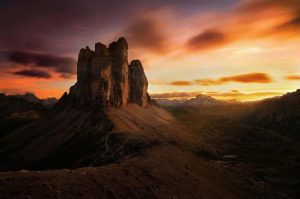
Light is everything in landscape photography. The quality, direction, and colour of light can transform an ordinary scene into something extraordinary. The most experienced photographers plan their entire day around the light, arriving at locations well before sunrise and staying long after the golden hour fades.
Golden Hour and Blue Hour
The golden hour — roughly the first hour after sunrise and the last hour before sunset — bathes the landscape in warm, directional light that adds depth and dimension to your images. Shadows are long, textures are emphasised, and colours are naturally saturated. The blue hour, which occurs just before sunrise and just after sunset, offers cooler tones and a softer, more ethereal atmosphere that works beautifully for lakes, mountains, and coastal scenes.
Many professional landscape photographers, including Canon Ambassador Luka Vunduk, build their entire shooting schedule around these fleeting windows of light. On his photography tours across Europe, participants are guided to the best vantage points at precisely the right moment, maximising the dramatic impact of natural light on the landscape.
Shooting in Overcast and Dramatic Weather
Do not put your camera away when clouds roll in. Overcast skies act as a giant natural softbox, eliminating harsh shadows and creating even, diffused light that is ideal for waterfalls, forests, and gorges. Storm fronts, passing rain clouds, and fog can add mood, mystery, and drama to your landscape compositions. Some of the most powerful landscape photographs ever taken were made in conditions that most people would consider unfavourable.
Essential Camera Settings for Landscape Photography
Understanding your camera settings is crucial if you want to know how to take perfect landscape photos consistently. While there is no single magic formula, certain principles apply across nearly every landscape scenario.
Aperture and Depth of Field
For most landscape work, you want a deep depth of field so that everything from the foreground to the horizon is tack-sharp. Apertures between f/8 and f/13 are the sweet spot for most lenses, offering maximum sharpness across the frame without introducing diffraction. If you have a strong foreground element very close to the lens, consider focus stacking — taking multiple exposures at different focus distances and blending them in post-processing.
ISO and Image Quality
Keep your ISO as low as possible — ideally at your camera’s base ISO (usually 100 or 64) — to maximise image quality and minimise noise. Since you will almost always be shooting from a tripod, there is no reason to push the ISO higher. The only exception is astrophotography or aurora shooting, where higher ISO values become necessary.
Shutter Speed and Motion
Shutter speed is where you can get truly creative with landscape photography. Long exposures (anywhere from half a second to several minutes) can smooth out water, blur clouds, and create a sense of movement and serenity. For waterfalls and rivers, a shutter speed of 0.5 to 2 seconds often produces a pleasing silky effect without losing all texture in the water. Neutral density (ND) filters allow you to achieve these longer exposures even in bright daylight.
Mastering Composition in Landscape Photography
Great composition is what separates a technically competent photo from one that truly resonates with the viewer. Composition is about guiding the eye through the frame and creating a sense of balance, depth, and story within your image.
Rule of Thirds and Leading Lines
The rule of thirds is a foundational guideline: imagine your frame divided into a 3×3 grid and place key elements along these lines or at their intersections. This creates a more dynamic and engaging image than placing your subject dead centre. Leading lines — such as rivers, paths, fences, or shorelines — draw the viewer’s eye into the scene, adding depth and a sense of journey to your photograph.
Foreground Interest and Layers
One of the most common mistakes in landscape photography is neglecting the foreground. Including a strong foreground element — such as rocks, wildflowers, reflections, or patterns in the sand — anchors the image and creates a three-dimensional feel. The best landscape compositions typically have three distinct layers: a compelling foreground, a strong middle ground, and an interesting background or sky.
Locations like the Dolomites in northern Italy are exceptional for practising this layered approach, with dramatic rock formations, alpine meadows, and towering peaks providing natural layers at every turn. For photographers seeking guided access to these kinds of landscapes, a dedicated Dolomites photo tour led by a local expert can make all the difference in finding the ideal compositions.
Essential Gear for Landscape Photography
You do not need the most expensive equipment to capture stunning landscape images, but certain pieces of gear will significantly improve your results and expand your creative possibilities.
A Reliable Tripod
A sturdy tripod is arguably the single most important accessory for landscape photography. It allows you to shoot at low ISO values, use longer shutter speeds, and compose your shot with precision. Look for a tripod that is solid enough to withstand wind but light enough to carry on long hikes. Carbon fibre models offer the best weight-to-stability ratio.
Lenses
A wide-angle lens (16–35mm on a full-frame body) is the workhorse of landscape photography, allowing you to capture sweeping vistas and emphasise foreground elements. However, do not overlook telephoto lenses (70–200mm or longer) for isolating details, compressing layers, and creating more intimate landscape compositions. A mid-range zoom around 24–70mm covers the versatile middle ground.
Filters
Polarising filters reduce reflections, deepen blue skies, and enhance colour saturation — effects that are difficult to replicate in post-processing. Neutral density (ND) filters allow for long exposures in bright conditions, while graduated ND filters help balance the exposure between a bright sky and a darker foreground. These are essential tools for any serious landscape photographer.
Scouting Locations and Planning Your Shoots
The best landscape photographs rarely happen by accident. They are the result of careful planning, research, and often multiple visits to the same location under different conditions. Apps like PhotoPills, The Photographer’s Ephemeris, and Google Earth can help you pre-visualise the direction of light, the position of the sun and moon, and the lay of the land before you even arrive.
Scouting a location in person the day before a planned shoot gives you a significant advantage. You can identify potential compositions, note any obstacles, and plan your route for the pre-dawn hike. Visiting the same location across different seasons also reveals how dramatically a landscape can change — the golden autumn colours of Slovenia’s Lake Bled, for example, present a completely different character from the same scene in winter snow or spring bloom. Photographers who join a Slovenia photo tour benefit from a guide who knows precisely when and where each seasonal transformation reaches its peak.
Post-Processing: Enhancing Your Landscape Images
Shooting in RAW format is non-negotiable for landscape photography. RAW files retain far more data than JPEGs, giving you much greater flexibility in post-processing to recover highlights, lift shadows, and fine-tune white balance and colour.
Software like Adobe Lightroom and Capture One are industry standards for landscape editing. Key adjustments include correcting lens distortion, fine-tuning exposure and contrast, adjusting individual colour channels for accurate and pleasing tones, and applying selective adjustments to specific areas of the image using masks and gradients. The goal of post-processing should always be to enhance the mood and feeling you experienced when you were there, not to create something artificial.
Common Post-Processing Mistakes to Avoid
Over-saturation is one of the most common errors in landscape editing. While vivid colours are appealing, pushing saturation too far creates an unnatural, garish look that detracts from the image. Similarly, excessive HDR processing can introduce halos around edges and flatten the tonal range, removing the depth and atmosphere that make landscape photos compelling. Aim for subtlety — your processing should be invisible to the viewer.
Learning from Professionals: Why Workshops and Tours Accelerate Your Growth
While online tutorials and YouTube videos provide a solid foundation, nothing accelerates your development as a landscape photographer faster than learning in the field alongside an experienced professional. Photography workshops and tours offer hands-on guidance in real shooting conditions, immediate feedback on your technique and composition, and access to locations and perspectives you might never discover on your own.
The advantage of working with a local photographer is immense. A guide who has spent years studying the light, weather patterns, and hidden viewpoints of a region can take you straight to the best spots at precisely the right time. Canon Ambassador Luka Vunduk, an internationally awarded landscape photographer recognised at competitions including the London Photography Awards and the European Photography Awards, leads intimate small-group tours across some of Europe’s most photogenic destinations. His Croatia photo tour, for example, takes participants to locations like Plitvice Lakes National Park under optimal conditions, while providing personalised mentoring on technique and artistic vision throughout the experience.
Practical Field Tips for Better Landscape Photos
Beyond camera settings and composition theory, a few practical habits can make a significant difference in the quality and consistency of your landscape photography.
Arrive early, stay late. The best light happens at the edges of the day. Give yourself at least 30 minutes before sunrise to set up and compose your shot in the pre-dawn twilight.
Use a remote shutter release or timer. Even the act of pressing the shutter button can introduce vibration. A remote release or your camera’s built-in timer eliminates this, ensuring tack-sharp images at longer exposures.
Shoot multiple exposures. Bracketing your exposures gives you options in post-processing and allows you to blend frames for optimal dynamic range, especially in high-contrast scenes with bright skies and dark foregrounds.
Check your histogram. Do not rely solely on the LCD screen to judge exposure. The histogram gives you an objective readout of the tonal distribution in your image and helps you avoid clipping highlights or shadows.
Slow down. It is tempting to fire away and move on, but the best landscape photographers spend time with their subjects. Walk around the scene, look for different angles, and let the composition come to you rather than forcing it.
Conclusion: Turning Knowledge into Practice
Learning how to take perfect landscape photos is a journey, not a destination. The techniques outlined in this guide — from mastering light and exposure to composing layered, compelling scenes — will serve you well wherever you point your camera. But the real magic happens when you take this knowledge into the field and apply it through consistent practice.
Every landscape tells a story. Your job as a photographer is to find that story, frame it with intention, and share it with the world. The more time you spend outdoors with your camera, the more intuitive these techniques will become — and the more often you will find yourself in the right place, at the right time, with the right skills to capture something truly extraordinary.